From Local Tradition to Regional Draw
There's a long distance between a church hall selling mulled wine and a festival that fills hotel rooms across three counties. Yet that's roughly the journey many winter events have made over the past few decades.
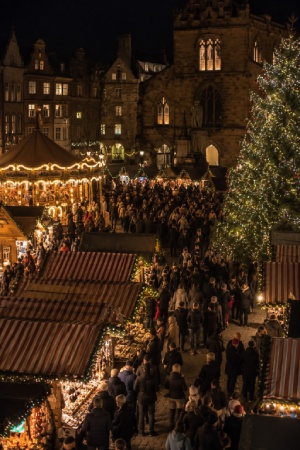
For most of the twentieth century, seasonal celebrations stayed close to home. Town-lighting ceremonies drew neighbors, not tourists. Christmas markets in European cities like Nuremberg or Strasbourg served local residents first, with visitors a welcome but secondary audience. The same applied to smaller traditions in Britain and North America: carol services, winter fairs, and civic tree-lighting events were community rituals, not ticketed experiences.
What changed? A few things converged. Growing interest in "authentic" seasonal experiences pushed people to seek out traditions that felt rooted and real rather than commercial. At the same time, destination marketing organizations recognized that winter was a weak season for visitor numbers and began packaging local customs as reasons to travel. A modest market became a headline event. A single illuminated trail through a stately home expanded into a month-long ticketed attraction drawing visitors from 50 or 100 miles away.
Blenheim Palace's Christmas light trail in Oxfordshire is a useful example. What started as a relatively small seasonal offering has grown into one of England's most-attended winter events, regularly selling out weeks in advance. The heritage setting provides the backdrop; the event infrastructure does the rest.
Experience-led travel has accelerated all of this. Younger travelers especially tend to plan trips around events rather than destinations, which means a well-marketed winter festival can reframe an entire town's identity for the season. Some communities have leaned into that deliberately, building annual programming around a single cultural hook.
Tradition still matters to the appeal. Visitors want to feel they're participating in something with history behind it, even if that history has been expanded, repackaged, or partly invented to suit a modern audience.
Why Visitors Now Build Seasonal Travel Around Festivals
Short seasonal getaways have quietly reshaped how people think about travel. Rather than saving time off for one big summer trip, many families and couples now plan several smaller outings through the year, and winter festivals fit that pattern almost perfectly. A two-day visit to a regional holiday market or light festival requires minimal planning, offers a defined experience, and delivers the kind of atmosphere that a standard hotel weekend simply cannot replicate.
Event tourism has grown steadily as a result. Research from the U.S. Travel Association has consistently shown that travelers who attend a specific event spend more per trip than those visiting a destination without a clear purpose. Festivals give people a reason to go somewhere they might otherwise skip. A town of 40,000 people in rural Vermont or the Texas Hill Country can draw visitors from three states over simply by staging a well-run Christmas market or lantern festival.
The bundling effect is a big part of the appeal. One festival visit covers entertainment, food, shopping, seasonal décor, and atmosphere in a single walkable outing. Families with children especially appreciate that. Parents aren't coordinating three separate activities across town. Everything is contained, usually pedestrian-friendly, and designed with safety in mind. That matters enormously when you're managing a seven-year-old and a grandmother at the same time.
Multigenerational appeal is something festival organizers have leaned into deliberately. Hot cocoa stations, live carolers, craft vendors, and ice carving demonstrations can hold the attention of a five-year-old and a sixty-five-year-old simultaneously. Families tend to return annually, which is exactly the kind of loyalty that builds a festival's reputation over time.
Social media has accelerated all of this. Decorated archways, illuminated trees, and themed photo installations don't just look good in person. They circulate. A single well-composed photo from a festival in Leavenworth, Washington, or Bethlehem, Pennsylvania can reach thousands of people who had never considered visiting. That organic spread is something no advertising budget can fully manufacture.
The Temporary Infrastructure Behind the Festive Magic
Behind every glowing winter market is a small army of logistics professionals who spent months figuring out where the toilets go. That might sound unglamorous, but it's exactly this operational thinking that separates a beloved seasonal event from a chaotic one.
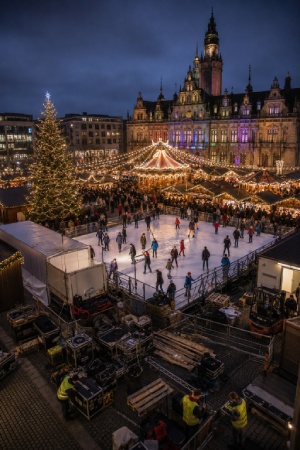
Modern holiday festivals are essentially short-term destinations built from scratch. Organizers coordinate lighting rigs, vendor cabins, food stalls, skating rinks, ticketing systems, security perimeters, crowd flow routes, and sanitation facilities – all assembled within weeks and dismantled just as fast. A mid-sized festival like the Cologne Christmas Market, which draws around three million visitors across four weeks, requires the kind of planning you'd associate with a small city.
Lighting alone has become a major production category. LED canopy installations, projection mapping on historic buildings, and programmable tree lighting now serve a dual purpose: they create the atmosphere visitors photograph and share, and they extend the usable evening hours, keeping people on-site longer. Longer dwell time means more spending per visitor, which is why event producers treat lighting as infrastructure rather than decoration.
Temporary skating rinks follow a similar logic. A 2,000-square-foot refrigerated rink can be installed in a town square within three days and generates consistent foot traffic around it for hours. Families skate, then eat, then browse vendors. The rink is the anchor that makes the rest of the event work.
Weather-proofing has become a serious investment too. Heated vendor cabins, covered walkways, and wind barriers allow festivals in northern climates to run comfortably through December and January rather than being limited to mild weekends. Some events in Scandinavia now operate reliably through temperatures below -10°C, largely because the physical setup accommodates it.
Towns benefit from all of this without building permanent infrastructure. The facilities arrive, generate economic activity, and leave – making seasonal festivals one of the more efficient models in event tourism.
How Holiday Festivals Power Seasonal Economies
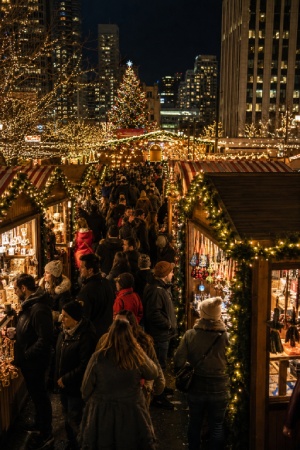
Spend a Saturday at a well-run winter festival and the money moves fast. Tickets at the gate, mulled wine from a local vendor, a handmade ornament, dinner at a nearby restaurant before the drive home. Multiply that by tens of thousands of visitors across a six-week season, and the economic picture becomes significant.
Direct spending is the most visible layer. The Christkindlmarket in Chicago, one of North America's longest-running German-style holiday markets, draws roughly 1.5 million visitors each season, generating millions in direct revenue for vendors, food stalls, and the surrounding hospitality sector. Hotels within walking distance routinely see occupancy rates climb during festival weekends, and transport links from parking operators to rideshare platforms all benefit from the surge.
Small businesses often feel the impact most sharply. A local candle maker or artisan food producer who sets up a market stall during a six-week winter festival can generate a meaningful share of their annual revenue in that window alone. For many, the festival isn't a bonus. It's a trading lifeline during a period when retail competition from online shopping is at its fiercest.
Temporary employment is another dimension that rarely gets enough attention. Event production, security, catering, lighting installation, and hospitality staffing all expand to meet seasonal demand. Edinburgh's Christmas festival, which spans George Street and Princes Street Gardens each year, supports hundreds of short-term jobs across its run.
The Role of Social Media in Turning Festivals Into Global Attractions
Holiday festivals no longer rely only on newspaper listings, local radio ads, or tourism brochures to attract crowds. Social media has fundamentally changed how seasonal events grow, spread, and establish reputations far beyond their original communities. A single photo of a glowing lantern tunnel, snow-covered market stall, or giant illuminated tree can travel across platforms within hours, reaching audiences who may never have heard of the destination before. This shift has helped even smaller regional festivals compete for attention alongside major city events.
Photo-Friendly Installations Encourage Organic Promotion
Modern festival layouts often include carefully designed photo points because organizers understand how powerful visitor-generated content can be. Oversized ornaments, illuminated arches, projection displays, and themed light tunnels all serve a practical marketing purpose beyond decoration. When thousands of attendees share images online, the event gains exposure that traditional advertising struggles to match.
This organic visibility builds credibility as well. Travelers tend to trust real visitor experiences more than polished advertisements. Seeing friends or influencers attend a festival makes the experience feel accessible and worth traveling for. That kind of social proof has helped many events rapidly increase attendance over the past decade.
Short-Form Video Has Expanded Festival Reach
Platforms focused on short video content have accelerated festival tourism even further. Quick clips showing snowfall over market stalls, live music performances, or synchronized light displays can attract millions of views during the holiday season. These videos create emotional appeal almost instantly because they capture atmosphere rather than simply listing attractions.
Many festivals now coordinate opening-night displays or scheduled performances specifically to generate shareable content. Visitors arrive expecting immersive visual experiences, while organizers benefit from the online attention that follows. In some cases, viral videos have transformed relatively unknown local events into nationally recognized seasonal destinations within just a few years.
Holiday Festivals Now Shape the Winter Travel Season
Local traditions like caroling and craft fairs have become a big deal in the travel industry. They're not just small events anymore, but a reason for people to plan trips and book hotels. Events like the Christkindlmarket in Chicago and the Winter Wonderland in Hyde Park are really popular and bring in a lot of visitors. These events are no longer just a small part of the local calendar, but the main reason people choose to visit a place in December. Communities have noticed this and are investing in making these events even better. They're putting up temporary infrastructure, staying open later, and creating experiences that people will want to share on social media.
This creates a cycle where more people come, which means more money for the local area, and that money is used to make the events even better the next year. Now, people don't just see winter as a cold season, but as a time to travel and have fun. They want to go to places that have exciting events and activities, and they're willing to plan their trips around them. This has become a big part of the travel industry and it's changing the way people think about winter. It's not just about the events themselves, but about the atmosphere and sense of community they create. People want to be part of something special and fun, and these events provide that. They're a chance for people to come together, enjoy some entertainment, and make some memories. And, of course, they're a great way for local areas to make some money and show off what they have to offer. So, if you're thinking of traveling in December, you might want to consider going to a place that has one of these events. You could visit a Christmas market, go to a light festival, or check out a winter wonderland. Whatever you choose, you're sure to have a great time and make some special memories.